

Recently, the deep web has captivated a vast audience, drawing attention not just for its obscurity but also for the special shopping experiences it provides. Buried beneath layers of secrecy, the darknet hosts a variety of markets where goods and services, many of them illegal, can be procured and traded without the watchfulness of the mainstream internet. This shadowy realm often stirs feelings of both fear and fascination, inviting individuals to explore its mysteries with a mix of curiosity and trepidation.
The mental framework behind participating in dark web purchases goes above mere illegal aims. It connects with fundamental human emotions, such as the thrill of risk-taking and the appeal of forbidden experiences. For many, the dark web represents a space where ordinary societal norms are subverted, allowing users to navigate into the unknown. Grasping the motivations that lead individuals to traverse these unknown waters can reveal larger themes of desire, ethics, and the human inclination for exploration.
Comprehending the Dark Web
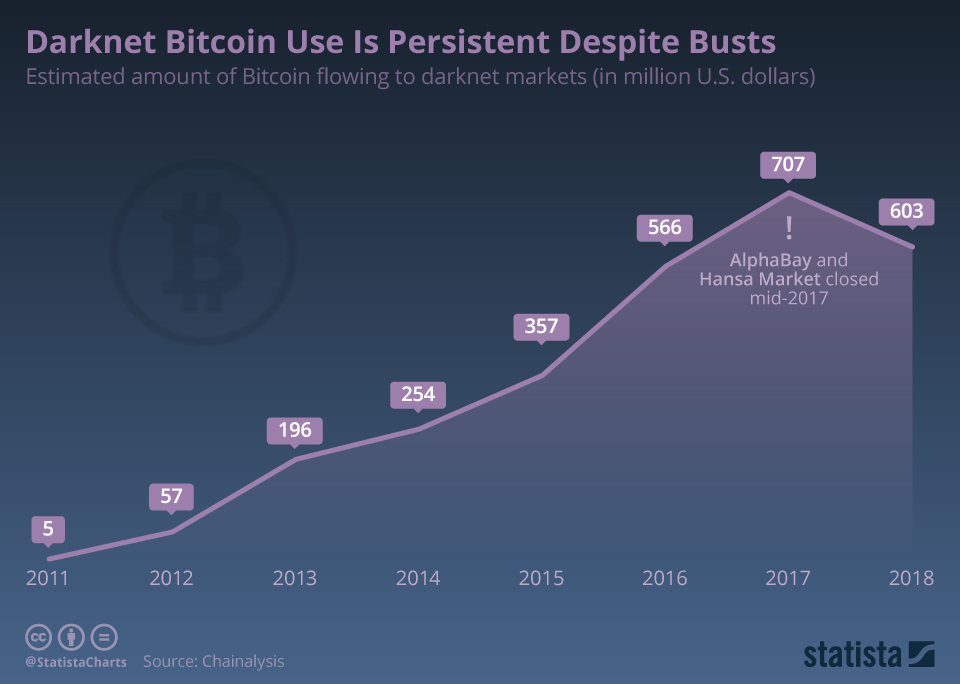
The Dark Web is a segment of the internet that is not indexed by traditional search tools, making it hard to find and often misunderstood. It resides within the larger structure of the web known as the deep web, which includes all online content not indexed by search tools like Bing. Accessing the Hidden Web usually necessitates specific software, such as specialized browsers, that anonymizes users and allows them to explore its distinct ecosystem. This facelessness draws a variety of users, from individuals seeking secrecy for legitimate reasons to people involved in illicit activities.
Inside the Dark Web, various platforms facilitate the exchange of both lawful and illegal goods and offerings. These platforms operate similarly to typical e-commerce platforms but use digital currencies to enhance privacy and security for both customers and sellers. The nature of these deals greatly influences the psychology of users. The excitement of participating in secretive activities can be tempting, offering an adrenaline rush that many find attractive. This psychological aspect plays a crucial role in the decision-making process for individuals venturing into these covert marketplaces.
The perception of danger is a major factor in Hidden Web interactions. Users are often aware of the potential risks, including legal issues, frauds, and contact to dangerous materials. However, the allure of acquiring prohibited items, whether controlled substances, hacking tools, or illegally obtained information, outweighs these risks for many. This complex interplay between want and risk drives the distinctive behavior of users frequenting Darknet markets, influencing their reasons and actions in ways that traditional retail environments cannot replicate.
Psychological Drivers for Dark Web Purchases
The attraction of the dark web often originates from the excitement of engaging in dangerous actions. For many people, buying items from dark web markets is an experience that goes beyond the ordinary realities of daily life. This feeling of excitement can be invigorating and fulfilling, as users undergo a departure from conventional social norms. dark markets of navigating concealed platforms and avoiding possible consequences can become a major motivator, driving people to explore what exists beyond the facade of the internet.
Another crucial factor at play is the desire for anonymity. The dark web presents an space where users believe they can function without being monitored or judged by others. This feeling of secrecy can cultivate a feeling of freedom that encourages people to explore forbidden goods or services without the fear of social repercussions. The secrecy afforded by the darknet appeals to those who may want to escape the limitations imposed by social norms, allowing them to articulate desires and interests that they would normally suppress.
Finally, curiosity and the thrill of the unknown often have a vital role in deep web acquisitions. The mystique surrounding the deep web captivates many individuals, leading them to delve deeper into its content. This curiosity can overshadow concerns about lawfulness and ethics, as individuals become more and more enthralled by the range of items available, from prohibited narcotics to hacking services. This journey into new territory can create a sense of empowerment, further driving the desire to interact with deep web vendors.
The Ethical Ethics of Dark Web Transactions
Engaging in transactions on the dark net often poses significant moral dilemmas. Participants act within a space that is primarily lawless, resulting in an atmosphere where criminal acts flourish. The morality of buying forbidden goods or services can be argued from various viewpoints, but the action contributes to a complicated web of crime and abuse. Numerous people excuse their choices by emphasizing personal freedom and autonomy, but this disregards the greater societal implications of their actions.
The consequences of dark web transactions extend well beyond individual moral dilemmas. These deals can unintentionally support networks of criminal activity, including human trafficking, drug distribution, and online crime. The secrecy that the dark web provides can embolden participants to involve themselves in questionable conduct, often without thinking about the human cost involved in such transactions. As the appetite for illicit items persists, so too does the cycle of harm it creates within communities affected by illicit behaviors.
In addition to moral concerns, the legal consequences of participating in dark web markets are serious. Police forces are more and more adept at tracking transactions and identifying users, leading to arrests and significant legal penalties. Those who engage in these markets may encounter not only criminal charges but also personal risks such as loss of reputation and credibility. Grasping these risks highlights the importance of thinking about both the ethical and legal implications of dark net interactions before entering into them.